

 See My Latest Article on HelloNation
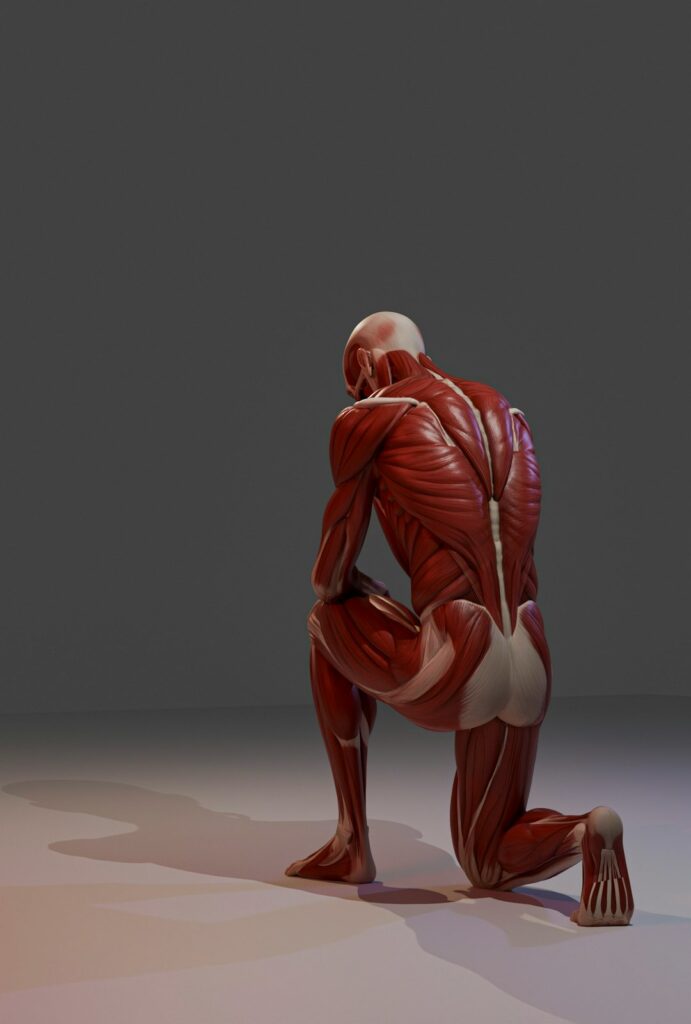
Pain in the back, neck, shoulder, hip, or leg can come from muscles and joints, nerves, or both. The quality of the pain, its location, what triggers it, and whether it changes sensation or strength can offer useful clues—but symptoms alone cannot always identify the cause.
For residents of Ann Arbor, MI, common patterns include strain after snow removal, discomfort related to prolonged desk work, overuse from exercise or cycling, and symptoms that travel from the spine into an arm or leg. Understanding the difference can help people describe symptoms more accurately and recognize when medical evaluation is needed.
What is musculoskeletal pain?
Musculoskeletal pain begins in the muscles, bones, joints, tendons, ligaments, or nearby soft tissues. It is often related to a strain, sprain, arthritis, inflammation, repetitive loading, or a change in how a body region is moving.
This type of pain is commonly described as:
- Aching, sore, tight, or tender
- Sharp with a particular movement
- Localized to one area
- Worse when the affected muscle or joint is used
- Associated with stiffness, swelling, reduced motion, or muscle spasm
For example, a sore shoulder after lifting, knee pain after increased activity, or low back pain after shoveling may be musculoskeletal. Pressing on the involved area or moving a nearby joint may reproduce the discomfort.
Musculoskeletal pain does not always mean there is a major injury. A muscle can become irritated by repeated smaller stresses, such as extended sitting, carrying a child, using a laptop without changing position, or returning to exercise too quickly after a break.
What is nerve-related pain?
Nerve-related pain, often called neuropathic pain, results from irritation, compression, injury, or disease affecting a nerve, nerve root, spinal cord, or brain. Examples include pain from a pinched nerve in the neck or lower back, peripheral neuropathy, nerve injury, and some complications of diabetes.
Nerve-related pain is more likely to feel like:
- Burning or hot discomfort
- Electrical shocks
- Shooting or stabbing pain
- Pins and needles
- Numbness or altered sensation
- Pain from light touch that would normally not hurt
Nerve symptoms often follow a recognizable pathway. A nerve root in the lower back, for instance, may produce pain that travels from the back or buttock into the thigh, calf, or foot. A nerve problem in the neck may send symptoms into the shoulder, arm, or hand.
Weakness is another important clue. Difficulty lifting the front of the foot, gripping objects, raising an arm, or pushing off with the toes may suggest that motor nerves are involved.
How can the symptoms differ?
The distinction is not absolute, but several patterns are helpful.
Musculoskeletal pain tends to stay more localized. A person may point to a joint, muscle, or area of tenderness. Movement, pressure, posture, or load often changes the pain.
Nerve-related pain tends to radiate or follow a pathway. It may travel farther than expected from the original location and may occur with tingling, numbness, or weakness.
Musculoskeletal pain is often described as aching or sore. Nerve pain is more often described as burning, electric, shooting, or prickling.
Musculoskeletal problems may limit motion because movement hurts. Nerve problems may limit movement because the muscles feel weak, coordination is affected, or sensation is reduced.
There can be substantial overlap. A disc or joint problem in the spine may cause local musculoskeletal pain while also irritating a nearby nerve. This is sometimes called mixed pain. A person may therefore have an aching low back along with burning pain down one leg.
Can pain radiate without involving a nerve?
Yes. Referred pain can travel away from the structure causing it without being caused by nerve damage. Muscles and joints may produce pain in nearby or distant areas through shared sensory pathways.
For example, a problem in one muscle may cause discomfort elsewhere in the same region. Referred pain is usually less clearly associated with numbness, tingling, changes in reflexes, or true weakness.
This is one reason that the word “radiating” does not automatically mean sciatica or another nerve disorder. The pattern and associated symptoms matter.
What can trigger each type?
Musculoskeletal pain may follow:
- Lifting, reaching, twisting, or repetitive work
- A fall, collision, or sports injury
- Increased walking, running, or exercise
- Prolonged sitting or poor movement mechanics
- Cold-weather tasks such as shoveling or clearing ice
- Joint arthritis or tendon irritation
Nerve-related pain may follow:
- Compression of a nerve in the spine, wrist, elbow, or another area
- A disc problem affecting a spinal nerve root
- Diabetes or other metabolic conditions
- Shingles or another infection affecting nerves
- Trauma, surgery, or prolonged pressure on a nerve
- Certain medications or treatments that affect peripheral nerves

Some nerve conditions develop gradually. Symptoms may begin as tingling in the toes or fingers and later include burning, reduced sensation, balance changes, or weakness.
How are these conditions evaluated?
A careful history and physical examination are often more useful initially than an imaging scan alone. The evaluation may include questions about when the pain began, what makes it better or worse, whether symptoms travel, and whether there is numbness or weakness.
A clinician may assess:
- Strength in specific muscle groups
- Sensation to light touch or pinprick
- Reflexes
- Walking, balance, and coordination
- Joint range of motion
- Muscle tenderness and spasm
- The effect of posture or repeated movement
Imaging may be appropriate in selected situations, but it does not always explain pain. Some people have visible age-related changes without symptoms, while others have significant pain despite normal early imaging. Electrodiagnostic testing, blood tests, or other studies may be considered when symptoms suggest a nerve disorder or systemic condition.
What can someone do while observing symptoms?
For a mild problem that began after a clear activity change, relative rest and gradual return to normal movement may be reasonable. Avoiding the specific motion that aggravates symptoms can help, but prolonged bed rest often increases stiffness and weakness.
Useful observations include:
- Whether symptoms are local or travel into an arm or leg
- Any numbness, tingling, temperature changes, or skin sensitivity
- New difficulty with walking, gripping, lifting, or climbing stairs
- Whether symptoms worsen with coughing, sneezing, sitting, or bending
- Whether a joint is swollen, warm, red, or unable to move normally
A brief symptom record can be especially helpful when pain changes from day to day or when work, sleep, exercise, and seasonal outdoor tasks affect symptoms.
When is urgent evaluation needed?
Prompt medical attention is warranted for new or worsening weakness, significant loss of sensation, severe pain after a fall or other injury, fever with back pain, unexplained weight loss, or rapidly worsening symptoms.
Emergency evaluation is needed for sudden weakness or numbness—especially on one side of the body—new difficulty speaking, facial drooping, severe loss of coordination, or other possible stroke symptoms. Severe back pain accompanied by numbness around the groin or inner thighs, inability to urinate, or loss of bladder or bowel control also requires immediate attention.
Pain that is persistent, recurrent, or interfering with sleep, work, walking, or daily activities deserves a thoughtful evaluation even when no emergency warning signs are present. The goal is not simply to label pain as “muscle” or “nerve,” but to identify the contributing tissues, protect function, and address factors that may allow symptoms to continue.