

 See My Latest Article on HelloNation
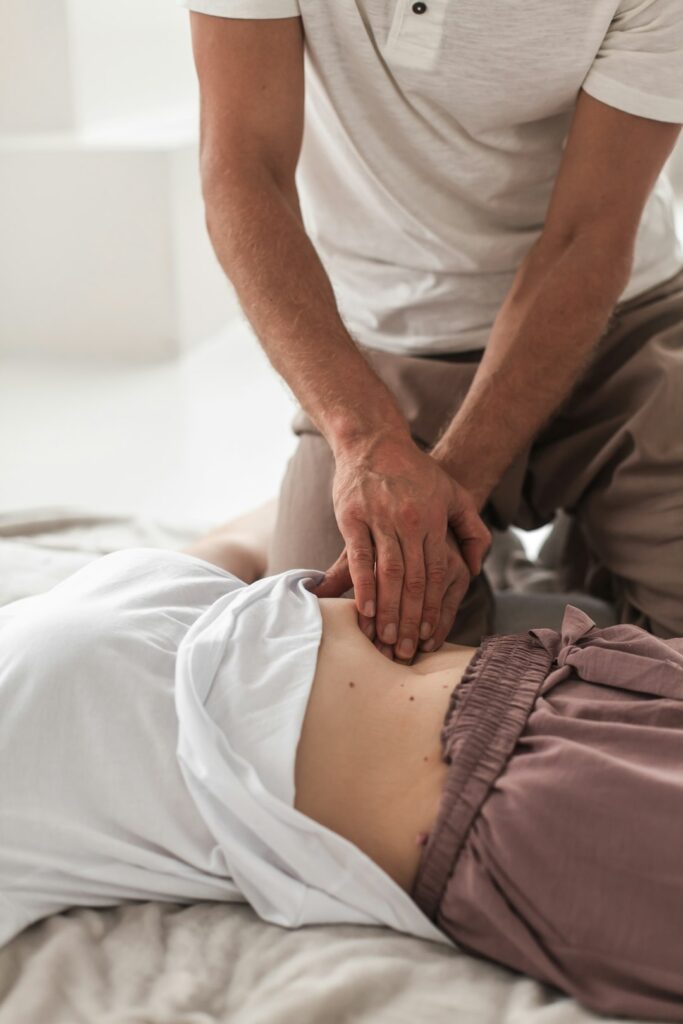
Back pain is not a single condition. Physiatrists—physicians specializing in physical medicine and rehabilitation—evaluate how muscles, joints, nerves, discs, posture, movement habits, and overall health contribute to pain and reduced function. The goal is usually to identify the most likely pain generator while also considering how symptoms affect walking, work, sleep, exercise, and daily activities.
For residents of Ann Arbor, MI, back pain may arise from ordinary strain, age-related spinal changes, sports or recreational activity, prolonged sitting, physically demanding work, or a medical condition that requires more urgent attention.
What causes back pain most often?
The most common causes are mechanical problems involving the muscles, joints, discs, or ligaments of the spine. These conditions often improve gradually, although recovery can be slowed by continued overuse, poor sleep, fear of movement, or returning to strenuous activity too quickly.
Common mechanical causes include:
- Muscle or ligament strain after lifting, bending, twisting, or a sudden increase in activity
- Irritation of small spinal joints called facet joints
- Disc-related pain, including a bulging or herniated disc
- Age-related changes in the joints and discs
- Weakness or poor coordination in the abdominal, hip, or back muscles
- Repetitive posture or movement patterns that place stress on the lower back
The location and behavior of the pain can provide clues. Localized soreness that worsens with certain movements often differs from nerve-related pain that travels into the buttock or leg.
How can a muscle strain cause significant pain?
A strained back muscle can hurt considerably even when there is no major structural injury. Muscles may become overstretched, develop small areas of tissue irritation, or tighten in response to a sudden load. Protective muscle spasm can make bending, standing upright, or changing position difficult.
Typical triggers include shoveling, moving furniture, lifting a child, carrying heavy bags, or starting a new exercise routine. Seasonal changes in activity can also matter. Someone who becomes more active outdoors after a period of reduced winter activity may place unfamiliar demands on the back.
Muscle-related pain is often aching or tight and may be tender to touch. It commonly remains near the lower back, although discomfort can spread into the buttocks. Pain that travels below the knee, causes numbness, or produces weakness suggests that another structure may be involved.
What spinal conditions can irritate a nerve?
Nerve irritation, often called radiculopathy or sciatica when it involves the lower back and leg, can occur when a spinal nerve is compressed or inflamed. A herniated disc is one possible cause. Arthritis-related narrowing around the nerve can also contribute.
Symptoms may include:
- Sharp, burning, or electric pain traveling into the buttock or leg
- Tingling or numbness
- Weakness in the foot, ankle, or leg
- Pain that increases with coughing, sneezing, sitting, or certain spinal positions
Not every leg symptom is sciatica. Hip problems, sacroiliac joint pain, peripheral nerve disorders, and circulation problems can produce similar complaints. A physiatrist typically compares the symptom pattern with strength, reflexes, sensation, walking, and movement findings before deciding whether imaging or electrodiagnostic testing is appropriate.
Can arthritis or spinal stenosis cause back and leg symptoms?
Yes. Arthritis can affect the facet joints, discs, and other structures of the spine. Over time, these changes may reduce flexibility and contribute to stiffness or localized pain. Imaging often shows age-related changes even in people without symptoms, so scan results need to be interpreted alongside the physical examination.
Spinal stenosis occurs when the spaces available for nerves become narrower. It is more common with aging and may cause pain, heaviness, numbness, or weakness in the legs during standing or walking. Symptoms often improve with sitting or leaning forward, such as when resting over a shopping cart.
The degree of narrowing seen on an image does not always match the severity of a person’s symptoms. Functional limitations and the pattern of discomfort are equally relevant.
Why do posture, sitting, and work habits matter?
Posture is rarely the sole cause of back pain, but sustained positions can increase symptoms. Long periods of sitting, driving, computer work, studying, or leaning forward may keep certain tissues under stress. Repeated bending and twisting at work can have a similar effect.
A useful approach is to vary positions rather than trying to maintain one “perfect” posture all day. Helpful adjustments may include:
- Changing position regularly
- Bringing work materials closer rather than repeatedly reaching forward
- Keeping both feet supported when seated
- Using brief walking or movement breaks
- Learning safer ways to lift, carry, push, and pull
- Building strength gradually instead of relying only on stretching

Household tasks can also contribute. Snow and ice conditions may increase the chance of awkward footing, while clearing outdoor areas, carrying supplies, or making repeated trips up and down stairs can strain the back.
Are hip and sacroiliac problems sometimes mistaken for back pain?
Yes. Pain felt in the lower back may originate partly or primarily from the hip, pelvis, or sacroiliac joints. Hip arthritis may cause groin pain, reduced hip rotation, or difficulty putting on shoes, but discomfort can also be felt in the buttock or lower back.
Sacroiliac joint irritation may cause pain near one side of the pelvis, often worsening with prolonged standing, stair climbing, running, or turning in bed. These conditions can coexist with spinal problems, making diagnosis more complicated.
A careful examination helps determine whether the spine, hip, pelvis, or several areas are contributing. This is one reason a diagnosis should not be based on the pain location alone.
What medical conditions can cause back pain?
Some back pain is related to conditions outside the usual muscle-and-joint category. Less common possibilities include:
- Vertebral compression fracture, particularly after a fall or in people with weakened bones
- Infection involving the spine or nearby tissues
- Inflammatory spinal disease
- Cancer involving bone or other tissues
- Kidney or abdominal conditions that refer pain to the back
These causes are uncommon, but certain warning signs deserve prompt medical evaluation. Concerning features include new loss of bladder or bowel control, numbness around the inner thighs or groin, rapidly worsening leg weakness, fever with severe back pain, unexplained weight loss, a history of cancer, major trauma, or severe pain that does not change with movement or rest.
Does imaging always reveal the cause?
No. X-rays, magnetic resonance imaging, and computed tomography can show fractures, arthritis, disc changes, or narrowing around nerves, but many findings are also present in people without pain. Imaging is most useful when the results are likely to change management, when symptoms persist despite appropriate care, or when serious causes need to be ruled out.
Physiatrists generally combine the history, physical examination, functional limitations, and—when appropriate—imaging or nerve testing. This helps avoid treating an incidental scan finding rather than the problem actually limiting a person’s activity.
How is the cause of back pain evaluated?
Evaluation usually begins with questions about when symptoms started, what caused them, where they travel, and which activities make them better or worse. The examination may assess walking, spinal and hip movement, muscle strength, reflexes, sensation, balance, and the ability to perform selected movements.
The most useful diagnosis is often functional: not merely “disc degeneration,” but a clear explanation of how a particular structure or movement pattern may be affecting daily life. Treatment decisions can then focus on restoring movement, improving strength and coordination, reducing nerve irritation, and addressing factors that prolong symptoms.
Back pain should be taken seriously without assuming that it always signals major spinal damage. Most cases are related to mechanical or musculoskeletal problems, but symptoms that are progressive, unusual, or associated with neurological changes warrant timely medical assessment.